 Aceph11
 guides
 Slot Game
 Contact
 Real Money Online Casinos
 Promotion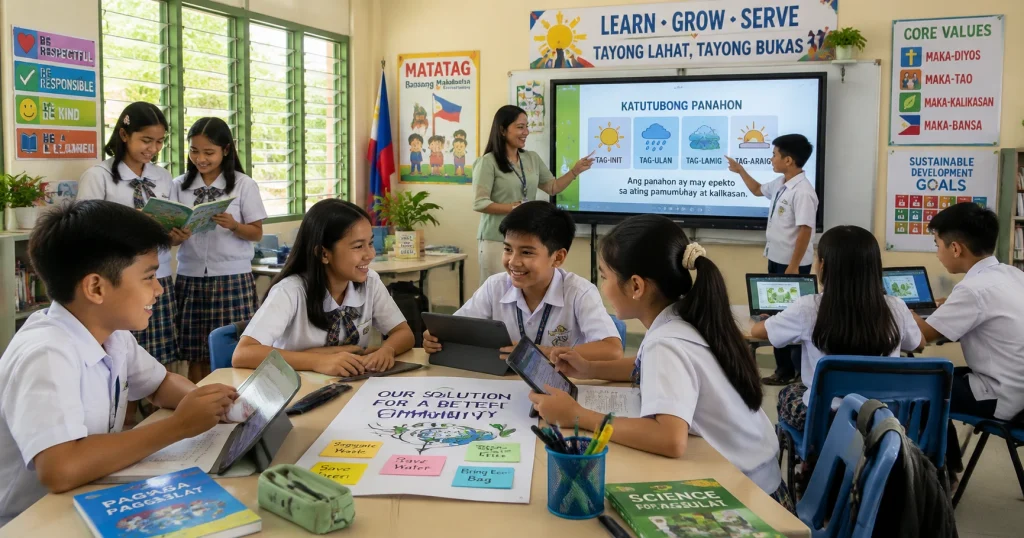
Overview of the k-11 curriculum
The k-11 curriculum is a comprehensive educational framework adopted by the Philippines to enhance basic education. It aims to align with international standards and ensure Filipino students are globally competitive. This curriculum emphasizes holistic development, integrating core subjects with skills-based learning to prepare students for higher education and employment opportunities. The implementation of k-11 curriculum signifies a shift from the traditional 10-year program to a more progressive 12-year system, starting from kindergarten through senior high school.
By extending the basic education cycle, the k-11 curriculum supports the development of critical thinking, creativity, and practical skills. It also fosters values formation and social responsibility, which are essential for nurturing well-rounded individuals. This curriculum framework is designed to address the evolving needs of the 21st century, equipping learners with competencies that meet both local and global demands.
Discover more about the k-11 curriculum by visiting Aceph11 for comprehensive insights.
For a detailed overview of the k-11 curriculum, visit Phsabong to explore its features and benefits.
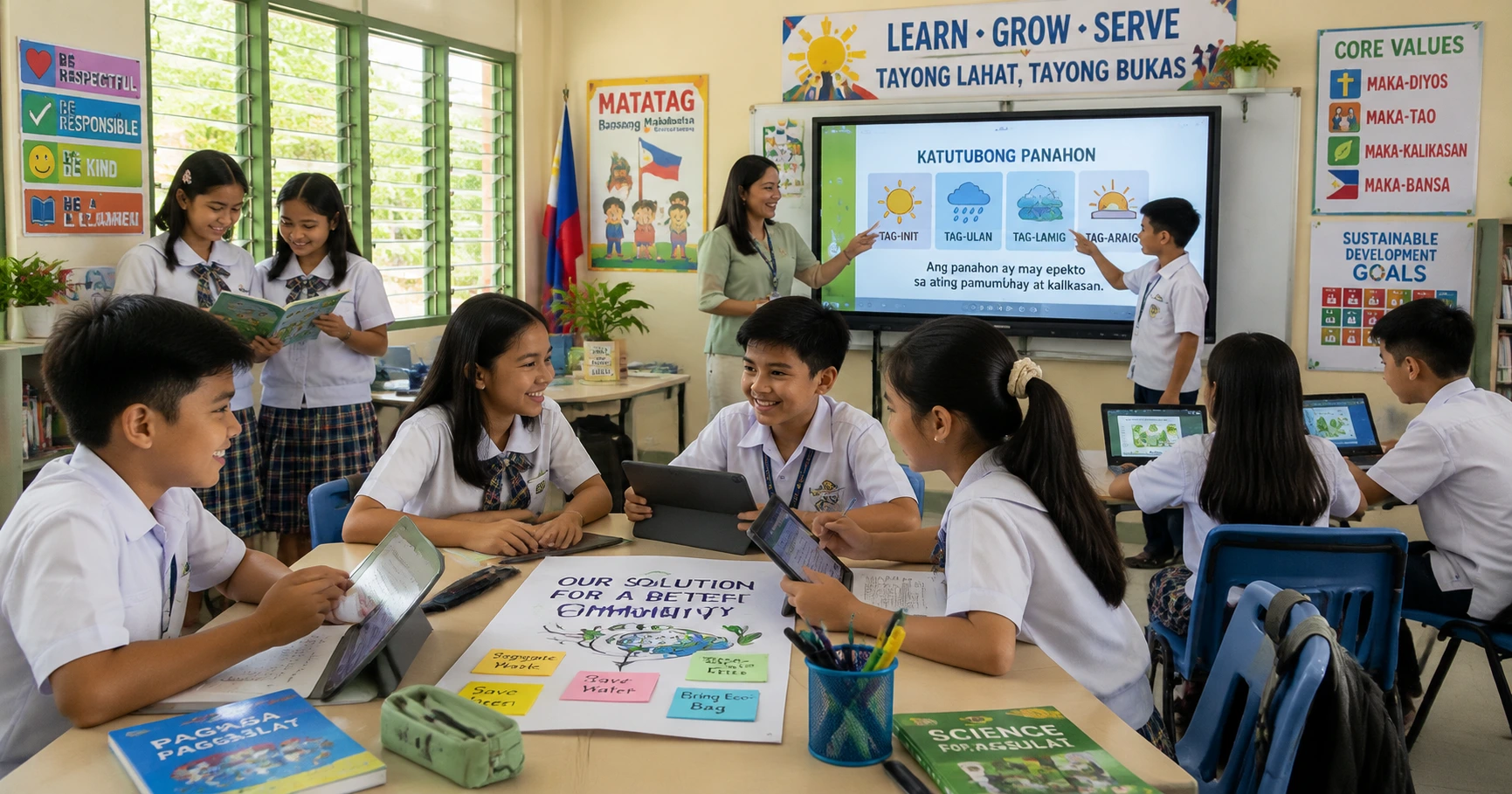
Moreover, the k-11 curriculum promotes learner-centered instruction, encouraging active participation and collaboration among students. It integrates technology and digital literacy to prepare learners for the modern workforce. With its focus on inclusivity and adaptability, the k-11 curriculum aims to bridge educational gaps and offer equitable learning opportunities across diverse communities in the Philippines.
Curriculum Structure and Components
The k-11 curriculum is divided into several key components:
| Component | Details |
|---|---|
| Core Subjects | Mathematics, Science, Filipino, English, Araling Panlipunan |
| Specialized Tracks | Academic, Technical-Vocational-Livelihood, Sports, Arts and Design |
| Senior High School | Skills-based curriculum aligned with chosen tracks |
| Assessment | Performance Tasks, Quarterly Exams, Portfolios |
| Integration | Values Education, Technology, and Livelihood Education (TLE) |
Each component of the k-11 curriculum is carefully designed to build foundational knowledge and practical skills. The core subjects establish essential academic competencies, while the specialized tracks allow students to focus on areas that match their interests and career goals. This dual approach ensures that learners receive both breadth and depth in their education.
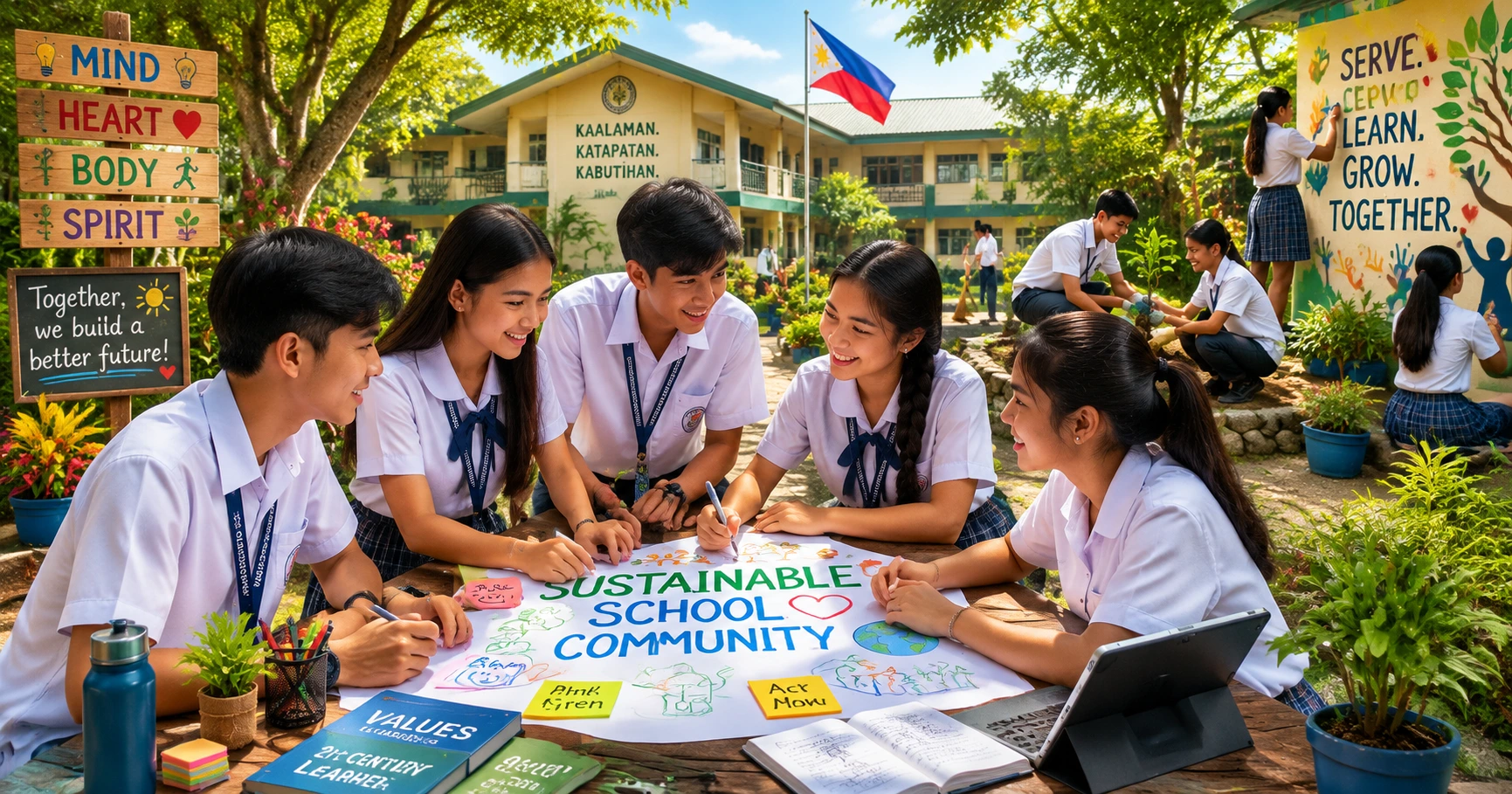
Assessment methods under the k-11 curriculum are varied and performance-based, encouraging students to demonstrate understanding through real-world applications. This system supports continuous learning and self-improvement, rather than relying solely on traditional examinations. Furthermore, the integration of values education and technology prepares students not only intellectually but also socially and emotionally for future challenges.
Implementation in Filipino Schools
The successful implementation of the k-11 curriculum involves various challenges and adaptations across Philippine schools. Local educators are undergoing training to familiarize themselves with the new pedagogical approaches, especially in integrating n19h2 updates that reflect recent curriculum modifications. Many public schools have started phased rollouts, with pilot testing in select regions to evaluate effectiveness. This shift aims to improve student engagement and learning outcomes, aligning with Filipino cultural values and the nation’s educational goals.
Implementation also requires adequate resources, including updated learning materials, classroom facilities, and access to technology. The Department of Education works closely with schools to provide support and monitor progress. Community involvement, including parents and local government units, plays a vital role in ensuring the smooth transition to the k-11 curriculum.
Despite initial challenges such as teacher readiness and infrastructure limitations, many schools report positive outcomes, including increased student motivation and improved academic performance. The integration of n19h2 updates further enhances instructional quality by incorporating innovative teaching methods and inclusive strategies that address diverse learner needs.
Latest Updates and N19H2
The n19h2 update is a recent enhancement to the k-11 curriculum, introducing new modules and instructional strategies to better cater to Filipino learners. These updates include digital integration, competency-based assessments, and inclusive education approaches. The Department of Education (DepEd) continually reviews these changes to ensure they meet the needs of Filipino students, considering local dialects, cultural nuances, and the globalizing world. Staying updated with n19h2 is crucial for educators and stakeholders aiming for a more effective and responsive Philippine education system.
Among the key features of the n19h2 update is the emphasis on technology-enhanced learning, which supports remote and blended learning environments. This is particularly important in the context of recent global challenges that have affected traditional classroom settings. The update also promotes differentiated instruction to accommodate learners with varying abilities and backgrounds.
Additionally, n19h2 strengthens the integration of values education and environmental awareness within the k-11 curriculum. These components aim to develop socially responsible and environmentally conscious citizens. By incorporating feedback from educators and experts, the n19h2 update ensures the curriculum remains dynamic and relevant to the evolving educational landscape in the Philippines.